

Guide
Clearing vs. Grubbing vs. Grading: What They Mean in the Midlands
The difference between clearing, grubbing, and grading on a Columbia-area site, what each step does, when a land-disturbance permit kicks in, and why it matters in clay soil. From a licensed SC home builder.
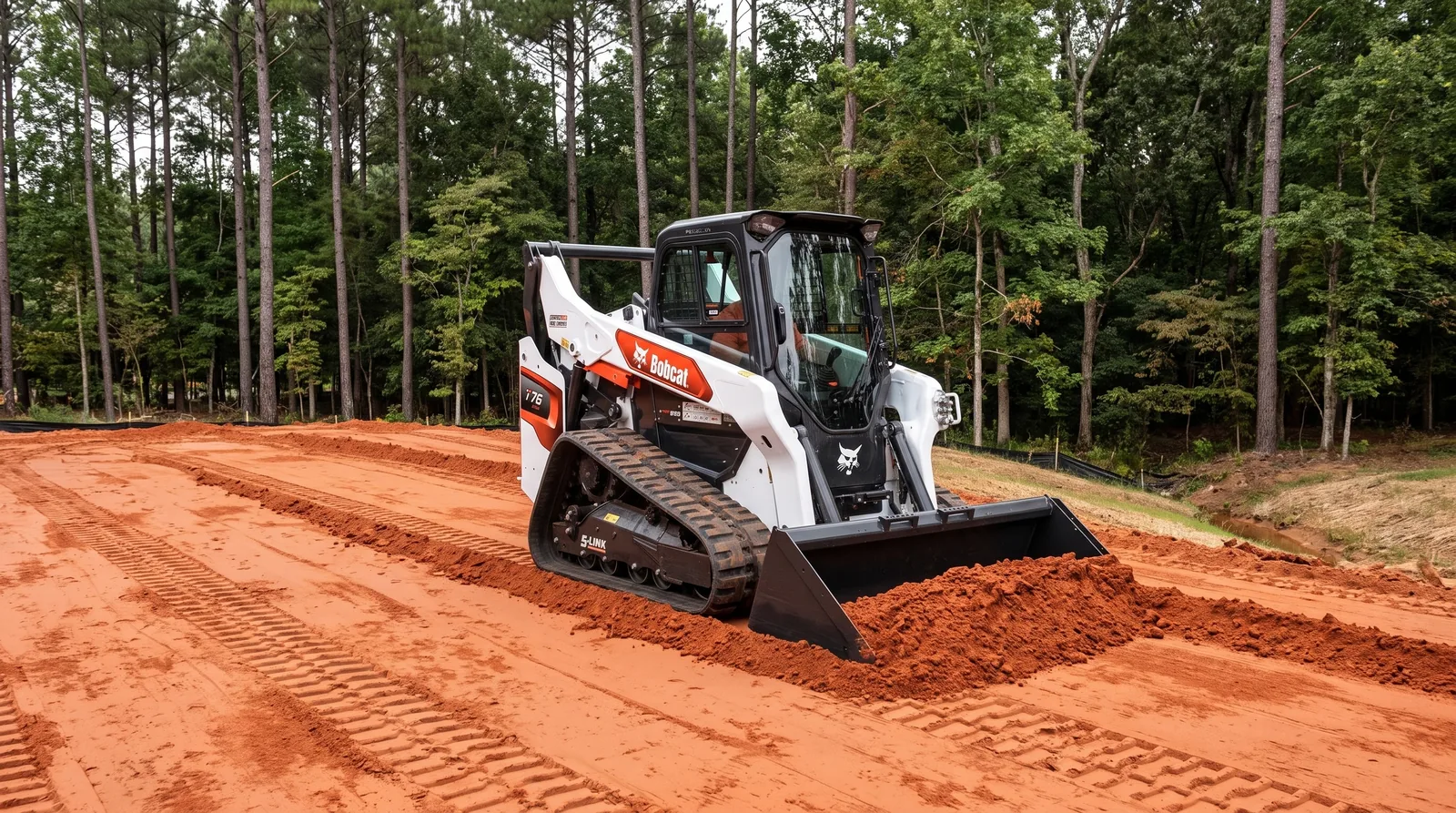
"Clearing," "grubbing," and "grading" get used interchangeably, but they're three different stages of getting a Midlands lot ready to build, and the difference decides when permits and erosion control kick in. Here's what each one actually means.
Chonko Construction is a licensed South Carolina home builder (license #52210). We run site work across Columbia and the Midlands with the scope, the permits, and the erosion controls written down before the first machine rolls in.
The three stages
- Clearing, removing what's above ground: trees, brush, and fallen debris, using excavators or skid steers. Debris is consolidated on-site (burned, mulched, or stacked for haul-off), never pushed into roads or onto a neighbor's property.
- Grubbing, pulling the roots and stumps left after clearing. This is the stage that officially starts "land disturbance" in the Midlands, which triggers permit and erosion-control requirements. Skip it and buried organics rot, leaving voids under your slab or driveway.
- Grading, shaping and leveling the soil into stable building pads, driveways, and yards through cut-and-fill, drainage contouring, and compaction. It's critical in Columbia's clay, which holds water and shifts if the grade isn't right.
When each stage needs a permit
- Clearing, usually allowed before permits if the soil itself stays undisturbed.
- Grubbing, a Land Disturbance Permit is required once stump removal or ground scraping begins.
- Grading, required for disturbance over 0.5 acre or when preparing a building footprint.
- SWPPP, a Stormwater Pollution Prevention Plan becomes mandatory once disturbed area reaches one acre.
What clay soil changes here
- Richland and Lexington county soils are clay-rich, prone to erosion and water retention.
- Silt fences must run along the contour and be trenched several inches into the soil to actually work.
- A wetland delineation may be needed before clearing.
- Septic percolation results can change after the ground is disturbed.
Common mistakes we see
- Hiring without a detailed, written scope
- Skipping erosion control
- Clearing before the septic or grading plan is approved
- Forgetting to call 811 for utility locates
Frequently asked questions
What's the difference between clearing and grubbing? Clearing removes above-ground vegetation; grubbing pulls the roots and stumps underneath. Grubbing is what starts regulated "land disturbance."
Do I need a permit to clear my lot in the Midlands? Clearing alone is often allowed, but once you grub stumps or grade, or disturb half an acre or more, you'll need a land-disturbance permit, and a SWPPP at one acre.
Getting a site ready to build? Book a free phone consultation and we'll lay out the clearing, grubbing, and grading scope, and the permits, in writing.
Have a project in mind?
See the full scope and pricing, or book a free phone consultation. No estimate pressure.