

Cost Guide
Detached ADU Cost in Columbia, SC (2026 Accessory Dwelling Unit Guide)
A detached ADU in Columbia, SC is a legal second dwelling unit, which means a kitchen, its own sewer tap and second-unit zoning review. Here is what that includes and what drives the cost.
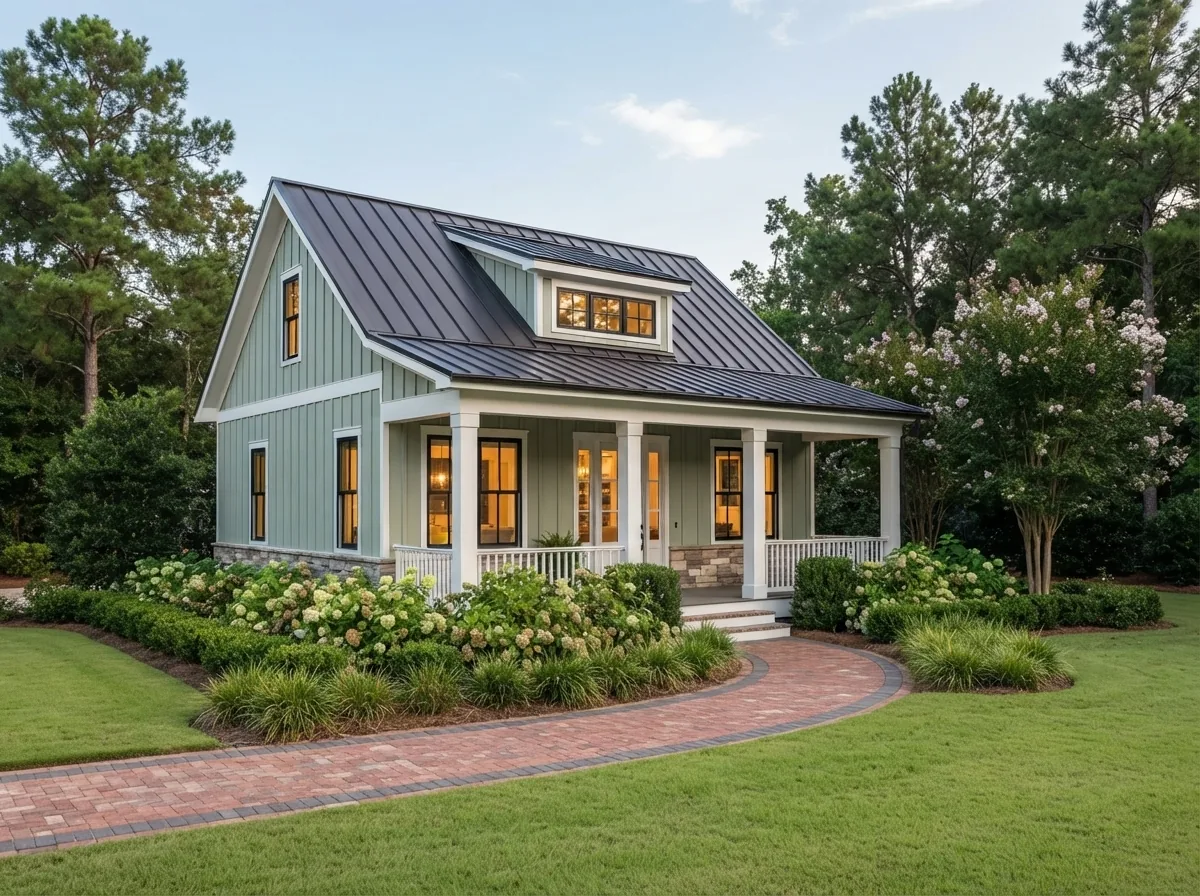
A detached ADU is the only building on the backyard ladder that is legally a second home, and that status is what sets the price. It has a kitchen, a full bath and sleeping space, so the county reads it as a second dwelling unit on your lot. That brings its own sewer tap, its own zoning review, and a set of rules a guest suite never touches. Budget $203 to $379 per square foot, which on a 500 to 900 square foot unit typically means $188,300. Typical ranges, not a quote, and the exact number is set in writing before anything starts.
What makes it an ADU
The building code defines a dwelling unit as a space with complete independent living facilities: permanent provisions for living, sleeping, eating, cooking and sanitation. All five, permanent, in one unit.
A guest suite has four of them. Adding permanent cooking is what crosses the line. A range or cooktop on its own circuit or gas line, plus a sink, turns an accessory structure into a second dwelling unit.
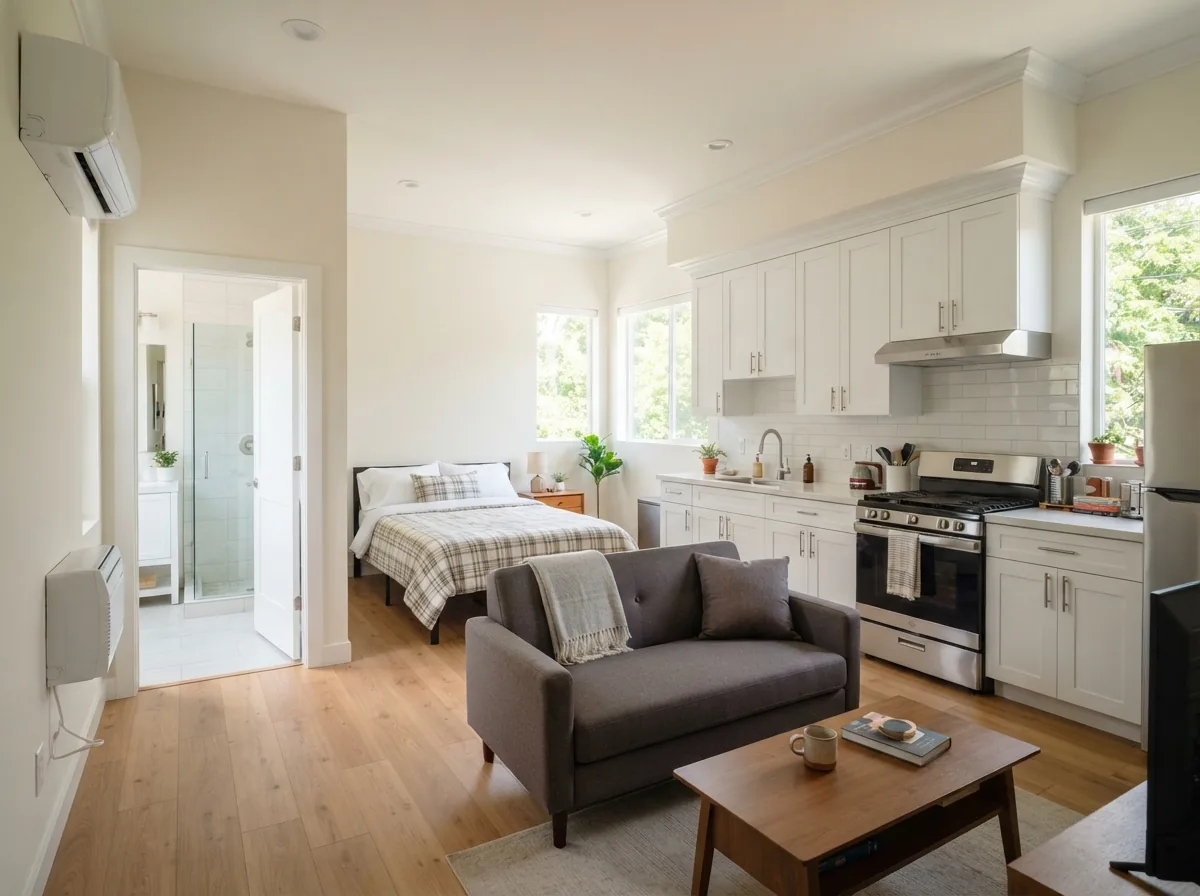
A separate bedroom is not required. A studio ADU, where the sleeping area is part of the open room, is a complete dwelling unit and is treated exactly the same as a one-bedroom.
What crossing that line actually costs you
This is the part that surprises people, and it is most of the gap between an ADU and a guest suite:
- A separate sewer tap. Columbia charges the tap per dwelling unit, so an ADU pays its own on top of the tap your house already has.
- Zoning review as a second unit. In the City of Columbia the ordinance caps an ADU at the lesser of 1,000 square feet or half the floor area of your main house, and requires ten feet of separation between the two buildings.
- The design-match standard. Inside the city the ADU must match the main house's materials, colors, windows and roof pitch. This is a real cost driver, and it is the reason a stock plan sometimes cannot be used: a plan that does not match your house has to be redrawn for the property, which is a different line item from an off-the-shelf plan set.
- Electrical service capacity. A second kitchen, a second HVAC system and a second water heater can push an older panel past its rating. That means a subpanel with its own feeder, or a service upgrade.
- Egress and life safety. A compliant egress window or door in every sleeping room, plus interconnected smoke and carbon monoxide detection.
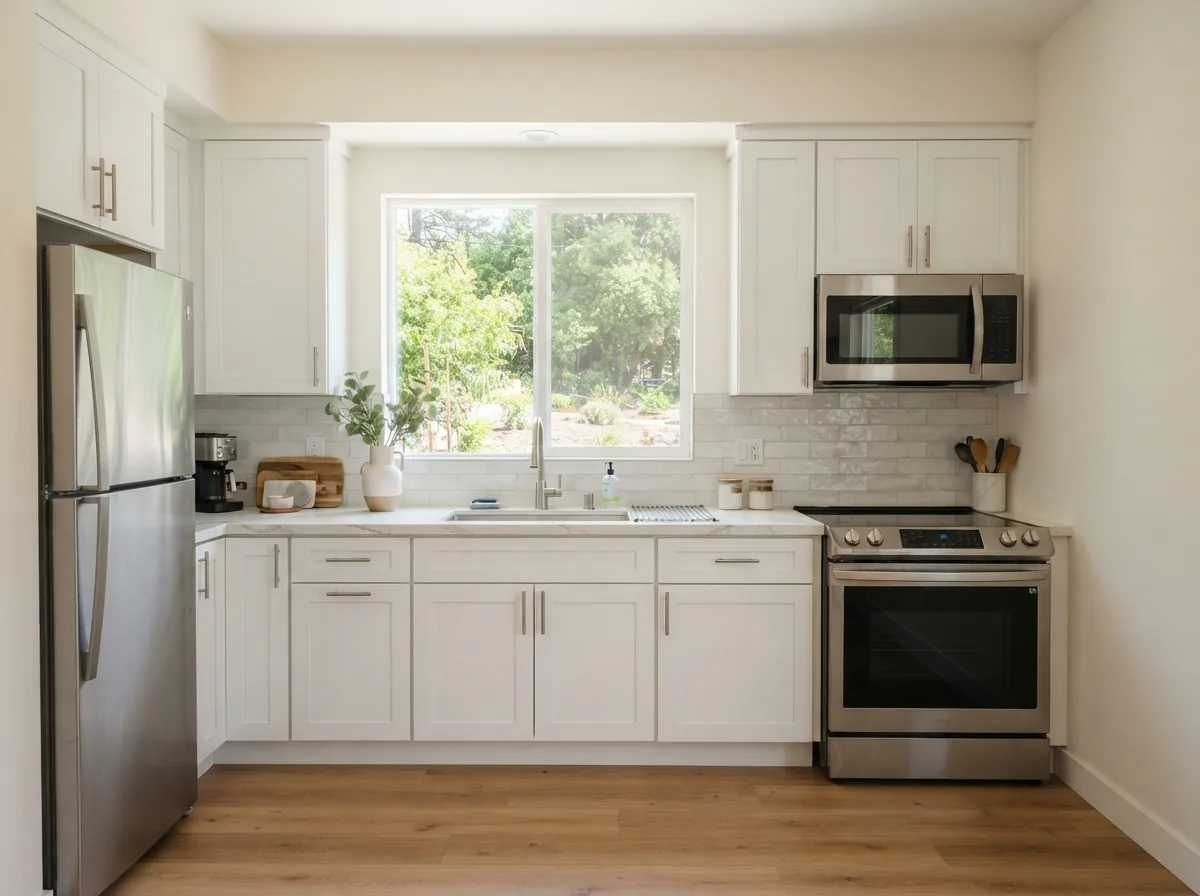
- The kitchen itself. Cabinets, counters, appliances, a plumbing rough-in and dedicated circuits.
Why a bigger ADU costs more in total and less per foot
This is the most useful thing to understand before you set a budget, and it runs against instinct.
A small ADU still needs one foundation, one roof, one kitchen, one bathroom, one HVAC system, one electrical service, one permit and one visit from every single trade. Those costs barely shrink when the building does. Only the square footage shrinks.
So the price per square foot on a very small unit looks alarming, and it is not a sign that anything is wrong. It is arithmetic. A larger unit spreads the same fixed costs over more space.
The practical consequence: if a budget lands uncomfortably, shrinking the building is usually the wrong move. You give up a lot of living space and save less than you expect. Growing it is often the better trade, right up to the ordinance ceiling.
It is also why we do not quote a price per square foot on a building this small, and why you should be careful with anyone who does. Total dollars are the honest unit.
What moves the number most
- Sewer or septic. How the unit connects, and how far the run is. Routinely the widest single line in an ADU estimate.
- Panel capacity at the main house. Drives the feeder and any service upgrade.
- Jurisdiction. City of Columbia and the surrounding counties do not carry identical rules. Tap fees, parking requirements and the design-match standard all hang off which one you are in.
- Whether the plan fits the lot. Setbacks, the ten-foot separation, and where drainage actually runs. This is a survey question, and it is answered before a plan set is purchased rather than after.
- Size and finish level, in that order.
What a thin ADU bid leaves off
Utility connections. The water tap, the sewer or septic tie-in, and the trench between the unit and the source. On a detached build that is real excavation.
The service upgrade or subpanel. Frequently absent, frequently needed.
Egress and interconnected detection.
Fire separation, on attached suites and garage conversions.
Permitting as a dwelling. Zoning review, setbacks and inspections for a second unit are not the same paperwork as a bump-out.
The survey. Nobody can tell you where the building fits without one.
Not sure you need a full ADU?
Most people asking about an in-law suite do not need a dwelling unit. If nobody needs to cook independently, a guest suite gives you a full bath and sleeping space and skips the tap, the zoning review and the kitchen. If you only need working or hobby space, a detached office is cheaper still, and if what you are housing is vehicles, equipment, or a workshop, a detached garage skips the dwelling-unit rules altogether.
That single question, whether the space needs its own kitchen, changes the permitting, the utilities and the price more than any finish decision you will make. It is worth answering before anything else.
Planning an ADU in Columbia or the Midlands? Start with a free phone consultation, or go straight to a $297 Project Blueprint: a licensed professional visits your home and delivers a written feasibility read on utilities, zoning, egress and a preliminary budget range. The $297 credits in full toward your project if you build with us.
Frequently Asked Questions
What makes something an ADU instead of an in-law suite?add
A permanent kitchen. The code defines a dwelling unit as having permanent provisions for living, sleeping, eating, cooking and sanitation. A bedroom-and-bath suite has everything except cooking, so it stays an accessory structure. Add a range or cooktop on its own circuit plus a sink and it becomes a second dwelling unit, which changes the permitting, the utilities and the price.
How big can an ADU be in Columbia, SC?add
Inside the City of Columbia the ordinance caps an accessory dwelling unit at the lesser of 1,000 square feet or half the floor area of the principal dwelling. It also requires ten feet of separation between the ADU and the main house. Rules outside the city limits differ, so confirm your jurisdiction before designing.
Does an ADU need its own sewer tap?add
In Columbia, yes. The sewer tap is charged per dwelling unit, so an ADU pays its own on top of the tap your main house already has. This is one of the costs that separates an ADU from a guest suite, which ties into existing service.
Is a studio ADU with no separate bedroom still an ADU?add
Yes. A separate bedroom is not required. As long as the unit has permanent provisions for living, sleeping, eating, cooking and sanitation, it is a complete dwelling unit, and it is permitted and taxed the same way a one-bedroom is.
Is it cheaper to build a smaller ADU?add
Less than you would expect. A small unit still needs one foundation, one roof, one kitchen, one bath, one HVAC system, one electrical service and one visit from every trade, and those costs barely shrink. A bigger ADU costs more in total and less per square foot, so if a budget lands uncomfortably, growing the unit is often a better answer than shrinking it.
Have a project in mind?
See the full scope and pricing, or book a free phone consultation. No estimate pressure.