

Cost Guide
In-Law Suite & ADU Cost in Columbia, SC (2026 Guide to All Three Options)
In-law suite, guest suite or full ADU? Only one of the three is legally a dwelling unit, and that single difference moves the price more than any finish choice. Here is how to tell them apart before you budget.
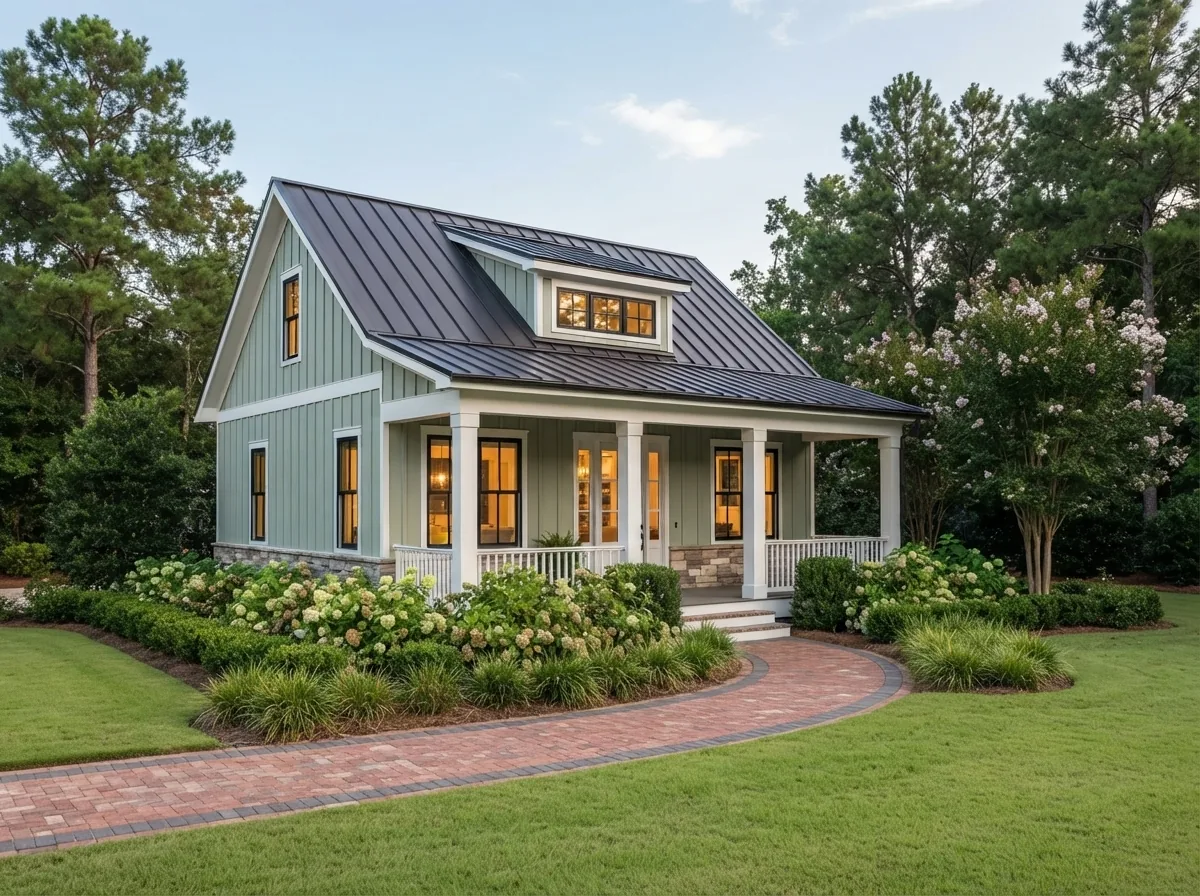
Almost everyone who calls us about an in-law suite in Columbia is describing one of three different buildings, and they usually do not know which one they want yet. That matters, because only one of the three is legally an accessory dwelling unit, and the jump into that category moves the price more than any material or finish you will ever pick.
This guide is the map. Work out which building you actually need first, then go to that one's cost guide for the number.
The three buildings
| What it has | What it does not | Legally | |
|---|---|---|---|
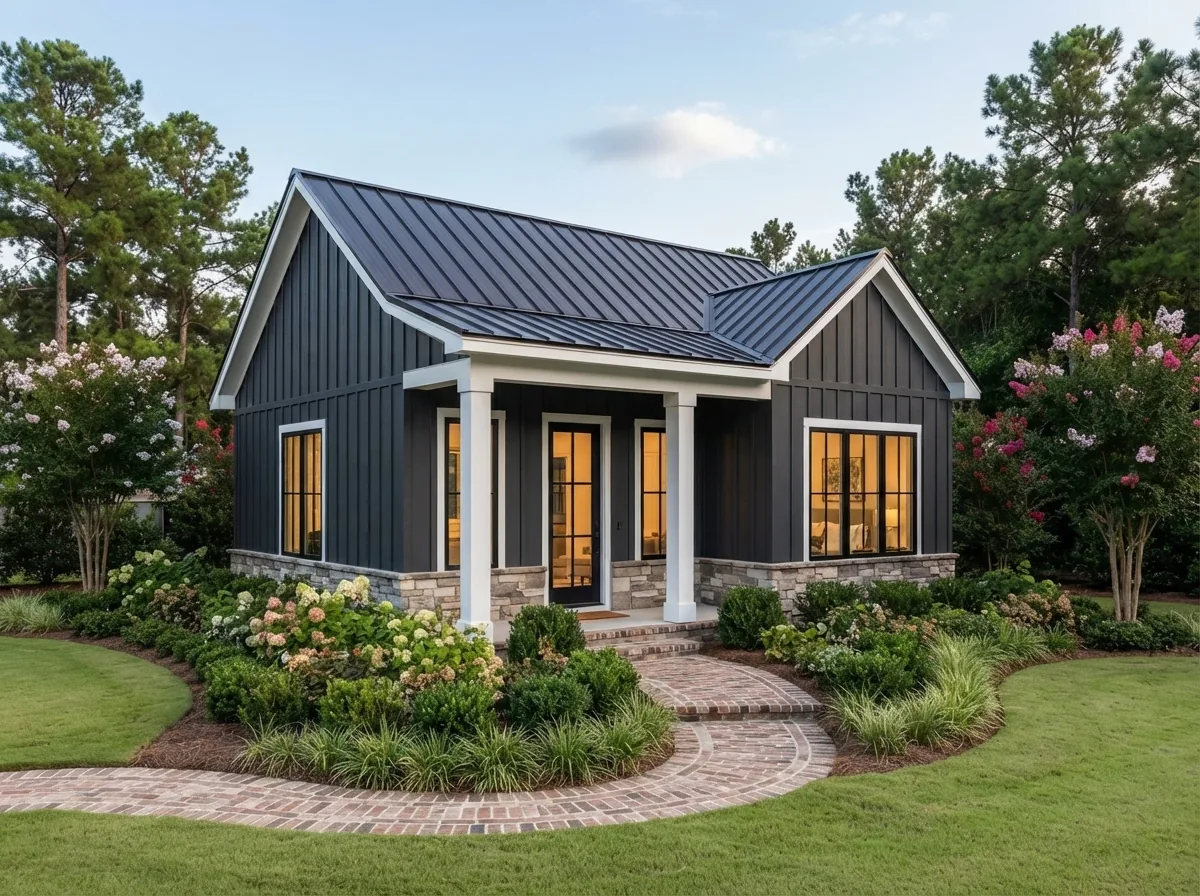
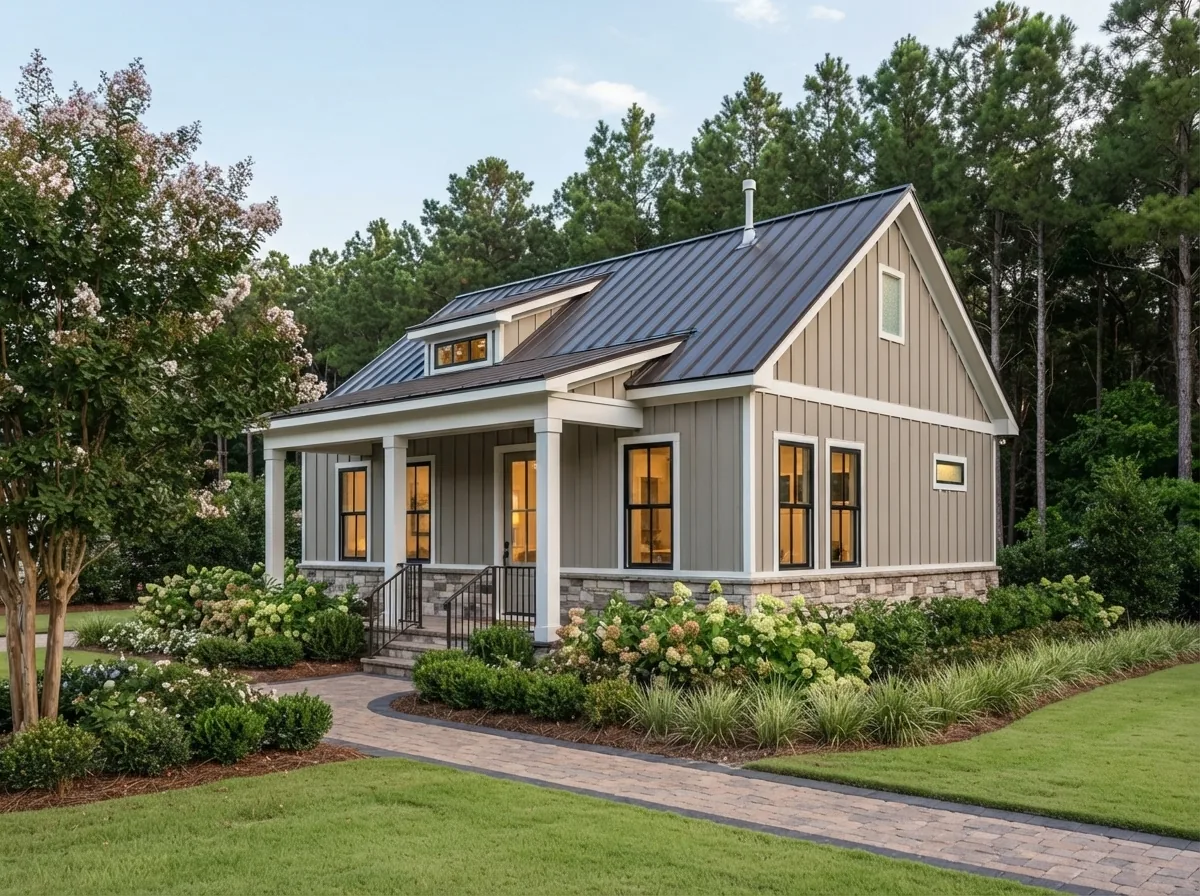
| Detached office | Insulated, conditioned, powered flex room | No kitchen, no bath (or a half bath) | Accessory structure |
| Guest suite | Full bath and sleeping space | No permanent kitchen | Accessory structure |
| Full ADU | Kitchen, bath, sleeping space | Nothing. It stands alone. | Dwelling unit |
The line between the second and third row is a kitchen. That is the whole thing.
Why cooking is the trip-wire
The building code defines a dwelling unit as a space with complete independent living facilities: permanent provisions for living, sleeping, eating, cooking and sanitation. All five, permanent, in one unit.
Any bedroom-and-bath addition already gives you living, sleeping and sanitation for free. The moment you add permanent cooking, meaning a range or cooktop on its own circuit or gas line plus a sink, the building becomes a second dwelling unit on your lot.
This is why the word kitchenette does so much work in this market. A microwave, a bar sink and an under-counter refrigerator on a plug are often specified deliberately, because they keep a suite under the line.
A separate bedroom, incidentally, is not required. A studio with a kitchen and a bath is a full ADU, treated exactly the same as a one-bedroom. Floor plan does not decide this. Cooking does.
What crossing the line brings with it
Everything on this list attaches to the third building and none of it attaches to the first two. This is where the price gap comes from:
- A separate sewer tap. Columbia charges the tap per dwelling unit, so an ADU pays its own on top of the one your house already has.
- Zoning review as a second unit, including the size cap and separation rules below.
- The design-match standard inside the City of Columbia.
- Electrical service capacity, because a second kitchen, second HVAC and second water heater can push an older panel past its rating.
- Egress and life safety, meaning a compliant egress window or door in every sleeping room plus interconnected smoke and carbon monoxide detection.
- Fire separation, on anything attached or converted from a garage.
None of it shows up on a finish schedule, which is why it catches people out.
The Columbia rules, specifically
Inside the City of Columbia the ordinance sets out what an accessory dwelling unit may be:
- Size cap: the lesser of 1,000 square feet or half the floor area of your principal dwelling. A 2,250 square foot house allows 1,125 on the halving test, so the flat 1,000 square foot ceiling governs.
- Separation: at least ten feet between the ADU and the main house.
- Design match: the ADU must match the house's materials, colors, windows and roof pitch. This is a real cost driver, and it is why a stock plan sometimes cannot be used. A plan that does not match your house has to be drawn for the property instead of bought off a shelf.
- Lot coverage applies, though on most lots setbacks and physical fit bind long before coverage does.
Rules outside the city limits are not identical. Confirm your jurisdiction before designing anything, because tap fees and parking requirements hang off it.
The counterintuitive part of the budget
A bigger ADU costs more in total and less per square foot.
A small unit still needs one foundation, one roof, one kitchen, one bathroom, one HVAC system, one electrical service, one permit and one visit from every single trade. Those costs barely shrink when the building does. Only the square footage shrinks.
So if a budget lands uncomfortably, shrinking the building is usually the wrong move. You lose a lot of living space and save less than you expect. Growing it, right up to the ordinance ceiling, is often the better trade.
It is also why we do not quote a price per square foot on a building this small, and why you should be wary of anyone who does. Total dollars are the honest unit.
Which one do you need?
Answer this before you price anything:
- Nobody sleeps there. You want working, hobby or gym space. → Detached office, the cheapest of the three by a wide margin.
- People stay, but they eat with the family. Visiting relatives, an adult child home for a stretch, a pool house, a parent who is not living fully independently. → Guest suite. This is what most "in-law suite" callers actually need.
- Someone lives there independently, cooks their own meals, or you want to rent it. → Full ADU. Only a legal dwelling unit can do this.
The expensive version of this decision is building the smaller thing and wanting the bigger one two years later. Utilities, foundations and rooflines are not cheap to revisit. Deciding once, up front, is worth more than any material you could downgrade.
What every Chonko Construction quote spells out
- Full scope written out, foundation through finishes, line by line, before work starts
- A real schedule with start and completion dates
- One accountable builder coordinating every sub and inspection (SC license #52210)
- No-surprise billing, so the price in the contract is the price
- A final walkthrough where we confirm every item together
- A named workmanship warranty in writing
Planning an in-law suite or ADU in Columbia or the Midlands? Start with a free phone consultation, or go straight to a $297 Project Blueprint: a licensed professional visits your home and delivers a written feasibility read on utilities, zoning, egress and a preliminary budget range. The $297 credits in full toward your project if you build with us.
Frequently Asked Questions
What is the difference between an in-law suite and an ADU?add
A permanent kitchen. An in-law suite is living space with a bath, and often a kitchenette, for family. An ADU is a fully independent unit with a permanent kitchen, which local code recognises as a second dwelling on your lot. That status brings its own sewer tap, its own zoning review and its own rules. Chonko Construction builds both.
Is a studio with a kitchen still an ADU?add
Yes. A separate bedroom is not required. A dwelling unit needs permanent provisions for living, sleeping, eating, cooking and sanitation, and sleeping in the same open room as living still counts. A studio with a kitchen and a bath is a complete ADU.
How big can an ADU be in Columbia, SC?add
Inside the City of Columbia the ordinance caps an accessory dwelling unit at the lesser of 1,000 square feet or half the floor area of the principal dwelling, and requires ten feet of separation from the main house. Rules outside the city limits differ, so confirm your jurisdiction first.
Which of the three is cheapest?add
The detached office, by a wide margin, because it has no kitchen, no full bath and no second sewer tap. The guest suite adds plumbing and a bath. The full ADU adds a kitchen and everything that comes with becoming a legal dwelling unit, which is the largest single step on the ladder.
Does an ADU add value to my Columbia home?add
An in-law suite adds flexible living space for family and, where zoning allows, rental income potential, both of which can support resale value. The bigger payoff is everyday function: a private, code-compliant space for aging parents or adult children without a second mortgage on a separate house.
Have a project in mind?
See the full scope and pricing, or book a free phone consultation. No estimate pressure.